Online Islamic Education: Bridging Knowledge and Faith in the Digital Age
Introduction to Online Islamic Education
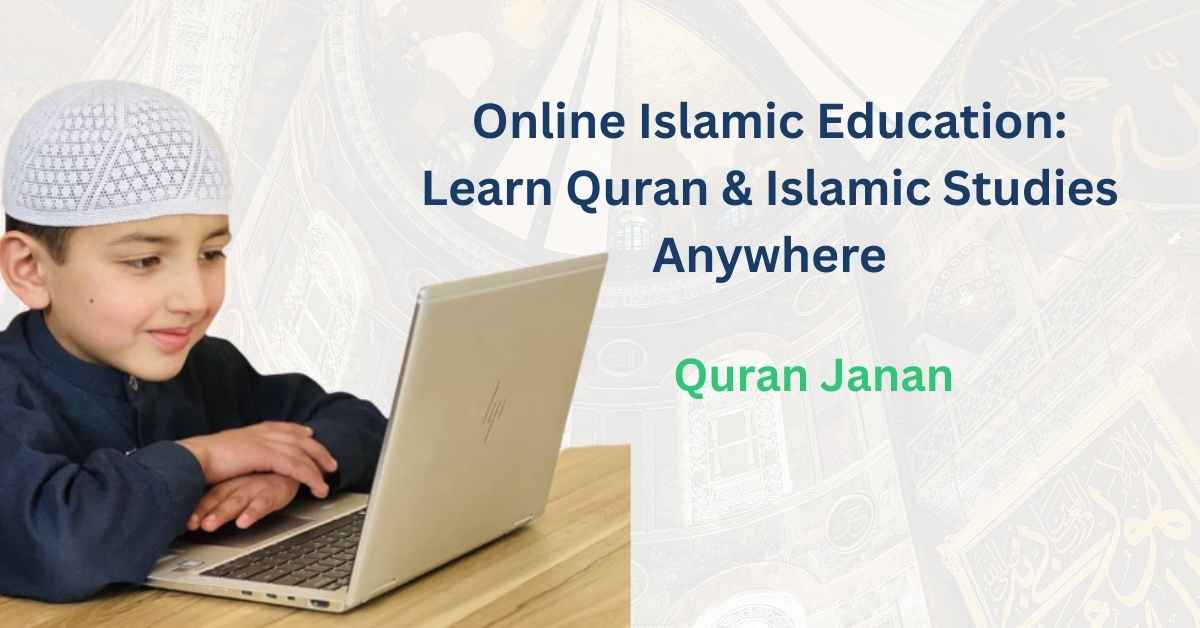
In the modern era, technology has transformed the way people access knowledge, including Islamic education. Online Islamic education provides students worldwide with the opportunity to learn the Quran, Hadith, Fiqh, and Islamic history without geographical constraints. It enables learners to study under certified teachers, follow structured courses, and engage in interactive sessions, promoting both spiritual growth and intellectual development.
The Quran emphasizes the importance of seeking knowledge:
قُلْ هَلْ يَسْتَوِي الَّذِينَ يَعْلَمُونَ وَالَّذِينَ لَا يَعْلَمُونَ ۗ إِنَّمَا يَتَذَكَّرُ أُولُو الْأَلْبَابِ
“Say, ‘Are those who know equal to those who do not know?’ Only they will remember [who are] people of understanding.” (Surah Az-Zumar 39:9)

This verse highlights the spiritual significance of knowledge and underscores why accessible Islamic education is vital in every age.
The Rise of Online Islamic Learning Platforms
The digital revolution has facilitated the creation of online platforms that provide structured Islamic education. These platforms offer courses ranging from Quranic recitation (Tajweed) to Islamic jurisprudence (Fiqh) and Arabic language. The rise of these platforms caters to a global Muslim population that seeks authentic knowledge without compromising religious values.
Online Islamic education integrates multimedia tools, live sessions, and interactive discussions, enabling learners to actively engage with the material, which is a marked improvement over traditional rote learning methods.
Authenticity and Scholarly Guidance
One of the primary concerns in online Islamic education is authenticity. It is crucial that students learn under the guidance of qualified scholars who adhere to the Quran and Sunnah. Reliable online institutions ensure verified credentials and structured curriculums, minimizing misinformation.
The Prophet Muhammad ﷺ emphasized the value of authentic guidance:
طَلَبُ الْعِلْمِ فَرِيضَةٌ عَلَى كُلِّ مُسْلِمٍ
“Seeking knowledge is an obligation upon every Muslim.” (Ibn Majah, Hadith 224)
This Hadith reinforces the responsibility of Muslims to pursue correct knowledge, making scholarly oversight in online education critical.
Key Components of Online Islamic Education
Online Islamic education encompasses several core components, each crucial for holistic learning:
-
Quranic Studies – Recitation (Tajweed), memorization (Hifz), and understanding (Tafsir).
-
Hadith Studies – Authentic Prophetic traditions and their application.
-
Fiqh and Shariah – Islamic jurisprudence for practical guidance.
-
Aqeedah (Creed) – Correct beliefs and theological understanding.
-
Islamic History – Contextual knowledge of Muslim civilization and its contributions.
These components ensure that learners develop spiritual insight, intellectual depth, and practical skills to live according to Islamic principles.

Quranic Recitation and Online Learning
Learning Quranic recitation online has become increasingly popular. Qualified teachers provide live guidance on Tajweed rules, pronunciation, and intonation, ensuring accurate recitation.
The Quran states:
وَرَتِّلِ الْقُرْآنَ تَرْتِيلًا
“And recite the Quran with measured recitation.” (Surah Al-Muzzammil 73:4)
Online platforms facilitate this by allowing teachers to monitor student recitation in real-time, providing personalized corrections that help preserve the integrity of Quranic pronunciation.
Memorization (Hifz) in the Digital Age
Hifz programs online enable students to memorize the Quran systematically. Platforms use digital tools, progress tracking, and peer review to enhance retention. Regular recitation checks by instructors ensure that memorization adheres to traditional methods.
The Prophet ﷺ said:
خَيْرُكُمْ مَنْ تَعَلَّمَ الْقُرْآنَ وَعَلَّمَهُ
“The best among you are those who learn the Quran and teach it.” (Bukhari, Hadith 5027)
This Hadith encourages both learning and teaching, a principle easily facilitated through online communities.
Tafsir and Understanding Online
Understanding the meaning of the Quran is as crucial as memorizing it. Online platforms offer Tafsir courses that explain verses with reference to classical scholars like Ibn Kathir, Al-Tabari, and contemporary interpretations.
For example, the verse:
إِنَّ هَذَا الْقُرْآنَ يَهْدِي لِلَّتِي هِيَ أَقْوَمُ
“Indeed, this Quran guides to that which is most upright.” (Surah Al-Isra 17:9)
Teaching Tafsir online ensures learners internalize the moral, spiritual, and legal guidance of the Quran.
Interactive Learning and Student Engagement
Online Islamic education emphasizes interactive learning. Features like live quizzes, discussion forums, and breakout sessions allow students to ask questions, clarify doubts, and discuss Islamic teachings in a supportive environment.
Research shows that interactive engagement enhances comprehension and spiritual reflection, making online learning as effective as traditional classrooms.
Accessibility and Global Reach
One of the most significant benefits of online Islamic education is accessibility. Students from remote regions, non-Muslim majority countries, or restrictive environments can learn authentically without traveling. This aligns with the Quranic principle:
وَقُل رَّبِّ زِدْنِي عِلْمًا
“And say: My Lord, increase me in knowledge.” (Surah Ta-Ha 20:114)
Online education ensures that no student is deprived of the opportunity to increase their knowledge, irrespective of location.
Personalized Learning Experience
Digital platforms allow for personalized learning plans, catering to different ages, skill levels, and goals. Students can progress at their own pace, revisit challenging concepts, and receive one-on-one mentorship, which enhances retention and spiritual growth.
Integration of Technology with Spiritual Learning
The use of technology in Islamic education—such as apps, AI tutors, and interactive recitation tools—bridges the gap between tradition and modernity. These tools help maintain accuracy, accountability, and motivation, supporting students in consistent religious practice.
Maintaining Discipline and Accountability
Despite its flexibility, online Islamic learning emphasizes self-discipline and accountability. Teachers track attendance, assignment completion, and recitation accuracy. The Quran reminds believers:
وَأَقِيمُوا الصَّلَاةَ وَآتُوا الزَّكَاةَ وَارْكَعُوا مَعَ الرَّاكِعِينَ
“And establish prayer and give zakah and bow with those who bow [in worship].” (Surah Al-Baqarah 2:43)
Structured programs ensure that learners remain consistent in their educational and spiritual routines.
Community Building in Virtual Spaces
Online platforms foster Islamic communities where students can interact, support, and learn from each other. This strengthens faith, mutual understanding, and the sense of Ummah, even in a virtual setting. Group discussions, mentorship circles, and peer-to-peer teaching enhance this spiritual connectivity.
Curriculum Designed for Holistic Growth
A well-structured online Islamic curriculum combines theoretical knowledge with practical application. Students learn Quranic verses, Hadith, and Fiqh alongside moral reasoning, ethical decision-making, and contemporary problem-solving, reflecting Islam’s comprehensive guidance for life.
The Role of Certified Teachers
The presence of certified Islamic scholars ensures that teaching is authentic and reliable. Teachers guide students through complex jurisprudential rulings, historical contexts, and linguistic nuances, maintaining scholarly rigor and spiritual integrity.
Challenges and Solutions in Online Learning
While online education offers flexibility, challenges include internet accessibility, digital distractions, and lack of social interaction. Platforms address these issues by providing offline resources, structured schedules, and virtual peer groups, ensuring a focused and effective learning experience.
Spiritual and Moral Development
Beyond academic knowledge, online Islamic education fosters spiritual and moral development. Students learn prayer, ethics, patience, empathy, and reflection, nurturing a balanced personality guided by Quranic values.
The Quran states:
الَّذِينَ آمَنُوا وَتَطْمَئِنُّ قُلُوبُهُم بِذِكْرِ اللَّهِ أَلَا بِذِكْرِ اللَّهِ تَطْمَئِنُّ الْقُلُوبُ
“Those who have believed and whose hearts are assured by the remembrance of Allah. Unquestionably, by the remembrance of Allah hearts are assured.” (Surah Ar-Ra’d 13:28)
This highlights the inner tranquility achieved through structured Islamic learning.
Continuous Assessment and Feedback
Regular assessments, quizzes, and feedback sessions help students monitor their progress. Teachers identify areas of improvement, provide encouragement, and ensure that learning remains consistent and goal-oriented, reflecting the Quranic emphasis on constant reflection and improvement.
Promoting Lifelong Learning
Online Islamic education encourages lifelong learning, ensuring that Muslims continue to seek knowledge and spiritual growth throughout their lives. It aligns with the Quranic message:
وَقُل رَّبِّ زِدْنِي عِلْمًا
“And say: My Lord, increase me in knowledge.” (Surah Ta-Ha 20:114)
By combining flexibility, authenticity, and scholarly guidance, online platforms cultivate a generation of knowledgeable and practicing Muslims.
Conclusion
Online Islamic education represents a revolution in the dissemination of religious knowledge, making it accessible, authentic, and spiritually enriching. By combining traditional scholarship with modern technology, it addresses the educational needs of the global Muslim community while promoting faith, ethics, and intellectual development. The Quran and Hadith continuously emphasize the importance of seeking knowledge, and online platforms provide a practical, effective, and inclusive solution in the contemporary age.
Quran janan
Quran Janan provides online Quran classes worldwide, offering students the opportunity to learn the Quran with certified teachers from the comfort of their homes. With a structured curriculum, flexible timings, and personalized attention, Abeer Academy ensures a high-quality and accessible learning experience for students of all ages.
FAQ Answers: Online Islamic Education & Quran Learning
Q1: What is online Islamic education, and how does it work?
Answer: Online Islamic education is learning Quran, Hadith, and Islamic studies through live or pre-recorded lessons over the internet.
It works via video classes, interactive sessions, quizzes, and guided exercises, allowing students to learn from certified teachers anywhere in the world.
Q2: How can children learn the Quran online effectively?
Answer: Children can learn Quran online effectively through one-to-one lessons, interactive tools, and daily practice.
Certified teachers provide guidance in Tajweed, memorization (Hifz), and understanding meanings, making learning engaging and tailored to each child’s pace.
Q3: Are online Islamic courses as authentic as traditional classes?
Answer: Yes, online Islamic courses can be just as authentic as traditional classes when taught by certified and experienced teachers.
Many platforms follow verified curricula, provide live correction, and use Quranic sources, ensuring students receive accurate and authentic knowledge.
Q4: What are the best platforms for learning Islamic studies online?
Answer: The best platforms for online Islamic studies offer certified teachers, one-to-one classes, flexible schedules, and structured courses for kids and adults.
Examples include Abeer Academy, Quran Academy, and other globally recognized online Islamic education platforms.
Q5: How do certified teachers ensure accurate Quran recitation online?
Answer: Certified teachers ensure accuracy through live feedback, repetition exercises, and Tajweed correction.
They listen to students recite, identify mistakes, and guide them on proper pronunciation, rhythm, and rules of recitation.
Q6: Can adults benefit from online Islamic education programs?
Answer: Yes, adults can benefit greatly from online Islamic education for learning Quran, Tajweed, Tafseer, Hadith, and Islamic history.
Flexible scheduling allows working professionals or busy individuals to learn at their own pace without attending physical classes.
Q7: How does online Islamic education help in spiritual and moral development?
Answer: Online Islamic education teaches moral values, ethics, and faith through Quran, Hadith, and practical lessons.
It helps students apply Islamic principles in daily life, improve character, and strengthen spiritual connection with Allah.
Q8: What tools are used for interactive online Quran classes?
Answer: Tools include video conferencing apps, digital whiteboards, interactive quizzes, and online Quran reading software.
These tools make lessons engaging, allow teachers to correct Tajweed in real-time, and help students memorize efficiently.
Q9: How can online Islamic education accommodate different learning levels?
Answer: Online Islamic education can be personalized for beginners, intermediate learners, and advanced students.
Teachers create customized lesson plans, assign practice exercises, and adjust pacing according to each student’s learning ability.
Q10: Is it possible to memorize the Quran completely through online classes?
Answer: Yes, students can complete Quran memorization (Hifz) through online classes with proper guidance and structured planning.
One-to-one online sessions, daily revision, and teacher supervision ensure students memorize accurately and retain verses over time.